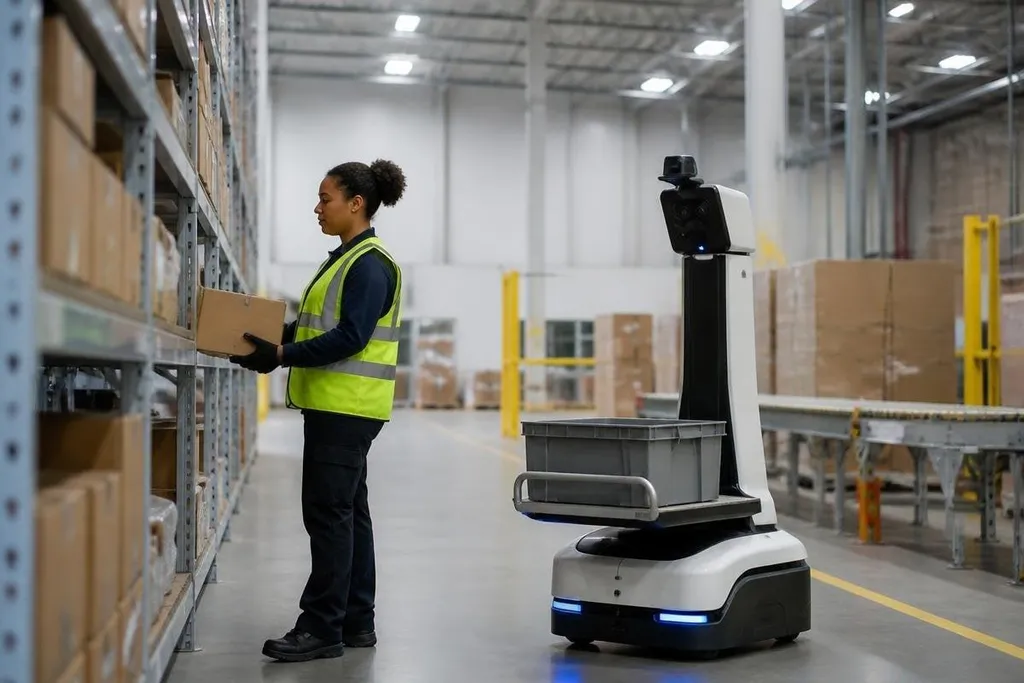
A robot can record a worker’s route, count completed tasks, or flag a pause without making a sound. The company may see those records as work data, but the person being measured deserves to know what the system sees and how managers use it.
- Monitoring should be announced before work begins.
- Workers need the purpose, data type, and review process in plain language.
- A human should check serious decisions based on robot records.
What workers need to know
A notice should answer four practical questions: what does the robot record, when does it record it, who can see the data, and how long does the company keep it? A vague statement about “automation” leaves the hardest part unanswered.
The notice should name the system too. A camera on a mobile robot records images. A warehouse robot with location sensors may log routes and stops. Software linked to either system may attach those records to a worker’s shift, task, or workstation.
The difference matters because data can describe work without explaining it. The system may record that a person stopped for 12 minutes, but that number does not show whether a conveyor jam, safety check, or supervisor request caused the pause.
Why silence creates bad decisions
Workers who don't know about monitoring can't check mistakes in the record. They also can't tell whether a score measures output, movement, safety events, or a mix of several signals.
That uncertainty affects trust, but it can also affect daily work. A worker may change how they move to avoid a flag, rush a task that needs care, or skip a useful pause because the system counts time without context.
A company can reduce those problems by explaining the system before it starts collecting data. The explanation should sit near the work rules, not in a long policy document that people are expected to find on their own.
That notice should name the camera, microphone, location data, or work records the robot collects. Coverage from Robot24 can help you see how those tools appear in workplace systems. Workers then have a clear test: does the notice explain what the robot watches, why it records it, and who can review the data?
Notice is only the first step
Telling people about monitoring doesn't make every use of the data fair. A company still needs a clear reason for collecting it and a limit on what managers may do with the records.
The purpose should match the data. A robot that checks whether a person entered a restricted zone may need location data. That does not automatically justify using the same record to rank every worker’s pace across a full shift.
Human review matters when a record may affect pay, discipline, scheduling, or continued employment. The reviewer should be able to check the raw event, hear the worker’s explanation, and correct the record when the robot misunderstood the task.
The system's limits should be written down before a dispute happens. A company should say how accurate the record needs to be, what counts as an error, and who can fix it.
A practical company checklist
Before turning on robot monitoring, a manager should confirm:
- Purpose: State the work problem the system is meant to address.
- Data: List the images, locations, task times, or other records collected.
- Access: Name the roles that can view or export those records.
- Retention: Set a deletion date instead of keeping data without an end point.
- Review: Give workers a way to question a record before it supports a serious decision.
These points also give workers a usable way to judge a notice. If the company cannot explain who sees the data or how errors get fixed, the monitoring plan needs more work before deployment.
The rule worth adopting
Companies should tell workers before robots monitor them, and the notice should cover the system’s purpose, records, access, retention, and review process. I'd reject any plan that treats a robot’s score as a complete account of a person’s work.
The open question is practical: can a company show the record, explain its limits, and fix an error before that record changes someone’s job?